Introduction
Greek wine, with its millennia-old history and a tapestry of unique grape varieties, is enjoying a renaissance on the global wine stage. From the sun-drenched vineyards of Santorini to the rugged terrain of Nemea, Greece offers a diverse and captivating world of wine waiting to be explored.
In this comprehensive guide, we embark on a journey through the fascinating realm of Greek wine. From its ancient origins to the modern renaissance, from indigenous grape varieties to iconic wineries, we will uncover the secrets of this vibrant and evolving wine culture.
The History and Heritage of Greek Wine: A Divine Legacy
The story of Greek wine is deeply intertwined with the myths, legends, and rituals surrounding Dionysus, the god of wine and celebration in ancient Greek mythology. This divine connection has left an indelible mark on the history and heritage of Greek winemaking.

The Birth of Dionysus
The tale begins with Dionysus himself, born of the union between Zeus, the king of the gods, and Semele, a mortal princess. Semele's tragic demise and Dionysus's miraculous birth from Zeus's thigh imbued him with a dual nature—both mortal and divine. This extraordinary origin underscored the idea that wine, too, had the power to transform and elevate the human experience.
Dionysus: The Patron of Wine
Dionysus assumed his role as the patron of wine, celebration, and ecstatic revelry, endowing wine with spiritual significance. He became the embodiment of the joyous and liberating aspects of life, inspiring an enduring love for wine among the ancient Greeks.
Wine as Divine Nectar
The Greeks believed that wine was a gift from the gods, and Dionysus was its ultimate bestower. Wine was seen as a sacred beverage, often referred to as "the divine nectar." Its consumption was not merely a physical act but a pathway to spiritual communion and artistic inspiration. The symposium, a Greek social institution centered around wine, intellectual discourse, and music, was a testament to this belief.
Dionysian Festivals and Rituals
Dionysus's influence extended to festivals and rituals dedicated to him. The most famous was the Dionysia, a theatrical extravaganza featuring tragic and comedic plays. Theaters, adorned with masks—a symbol associated with Dionysus—hosted these performances, underscoring the connection between wine, theater, and artistic expression.
Viticulture and Winemaking
Greek winemaking flourished in regions like Thrace, Crete, and the islands. The Greeks introduced innovative techniques like pruning and trellising, enhancing grape cultivation. Amphorae, ceramic vessels with intricate designs, were used to store and transport wine. The art of blending different grape varieties to achieve desired flavors was also a Greek innovation.
The Spread of Greek Wine
Greek wine was not confined to Greece itself; it was exported throughout the Mediterranean. Colonies established by the Greeks, such as those in Southern Italy and Sicily, played a pivotal role in spreading viticultural knowledge and Greek wine culture.
Modern Resurgence
In modern times, Greece's winemaking heritage has experienced a renaissance. Winemakers are rediscovering and reviving ancient grape varieties, like Assyrtiko and Agiorgitiko, while embracing modern techniques. Greek wines have gained international recognition for their quality and diversity.
Greek Wine Regions: A Journey Through History
Greece, often considered the cradle of Western civilization, boasts a winemaking heritage that dates back over 4,000 years. Its wine regions, scattered across the mainland and islands, offer a captivating journey through history, culture, and terroir.
Peloponnese
Nemea: Known for its robust red wines, Nemea is a region in the northeastern part of the Peloponnese. It's home to the Agiorgitiko grape, which produces wines with rich berry flavors and a hint of spice. Nemea is also famous for the Nemean Games, ancient athletic competitions, and the cult of Hercules.
Mantinia: Situated in the Arcadia region, Mantinia is renowned for its white wines made from the Moschofilero grape. These wines are known for their vibrant acidity, floral aromas, and notes of citrus and stone fruits.
Mainland Greece
Attica: This region encompasses the capital, Athens, and the surrounding area. It's where you'll find the famous Retsina wine, a white or rosé wine flavored with pine resin. While Retsina is an acquired taste, Attica also produces some excellent non-resinated wines, including Savatiano whites.
Macedonia
Naoussa: Located in Macedonia, northern Greece, Naoussa is the heart of Xinomavro production. Xinomavro is a red grape variety known for its high acidity, tannins, and aging potential. Naoussa's Xinomavro wines often display flavors of dark fruits, spices, and earthy notes.
Thessaly
Rapsani: Nestled on the slopes of Mount Olympus, Rapsani is another Xinomavro hotspot. The grape thrives in the region's high-altitude vineyards, resulting in wines with complexity and elegance. Rapsani wines are typically blends of Xinomavro, Krassato, and Stavroto grapes.
The Islands
Santorini: This volcanic island in the Cyclades is famous for its Assyrtiko grape. The unique volcanic soil and climate conditions produce crisp, mineral-driven white wines with remarkable acidity. Santorini's vineyards, trained into distinctive basket-shaped formations called "koulara," are a sight to behold.
Crete: Greece's largest island is a mosaic of microclimates and diverse grape varieties. The island produces a wide range of wines, including the fruity and aromatic Vidiano whites and the red, herbaceous Liatiko wines.
Samos: Known for its Muscat-based dessert wines, Samos produces some of Greece's most renowned sweet wines. The Muscat Blanc à Petits Grains grape thrives on the island's terraced vineyards, producing wines with intense floral and citrus aromas.
Greek Grape Varieties: From Ancient Roots to Modern Excellence
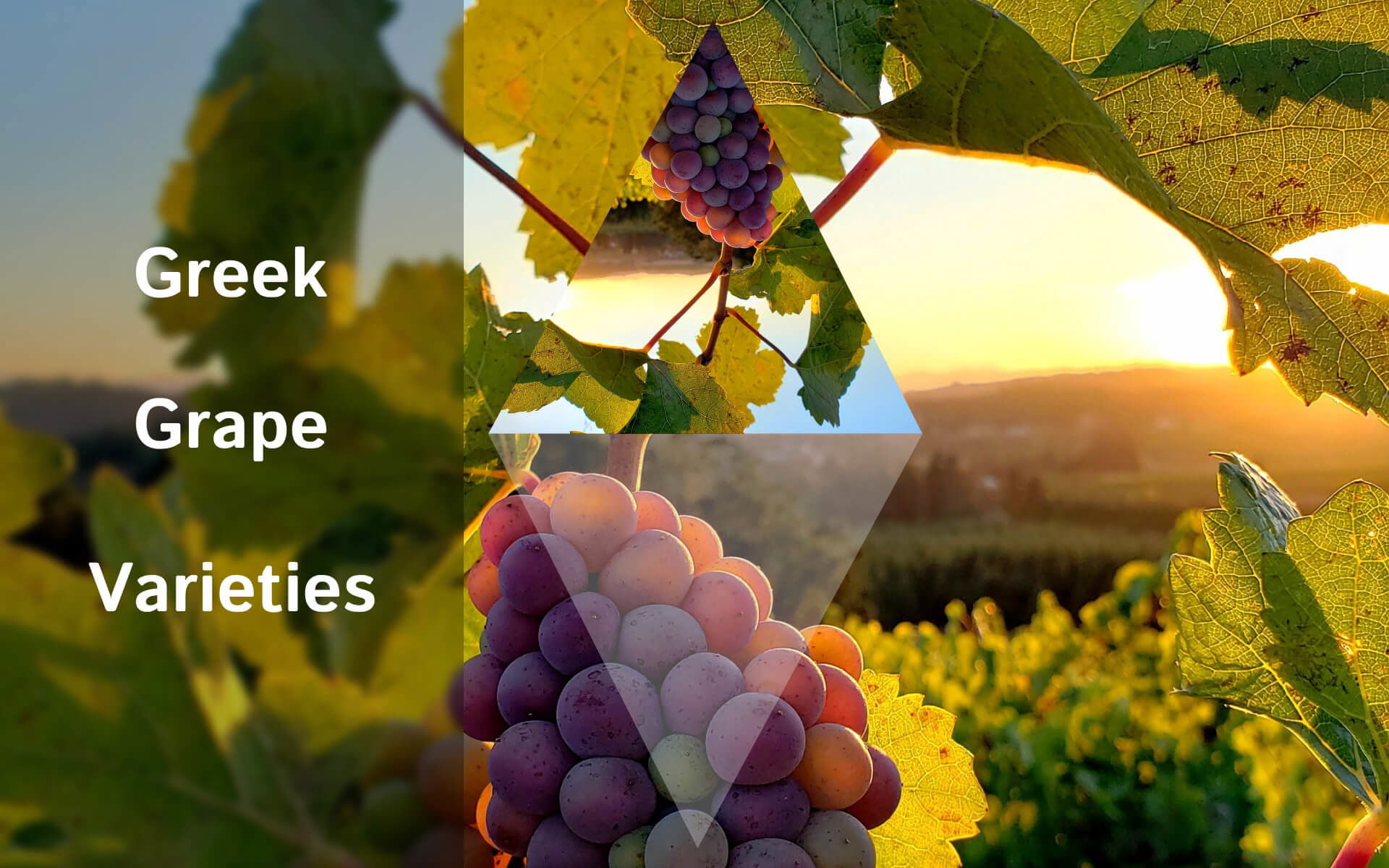
Greece, with its deep historical ties to viticulture, is home to a plethora of grape varieties, many of which are indigenous and unique to the region. These grapes have been cultivated for thousands of years, contributing to Greece's rich winemaking tradition. Here are some noteworthy Greek grape varieties:
Assyrtiko
Origin: Santorini, Cyclades
Characteristics: Assyrtiko is Greece's most celebrated white grape variety. Grown primarily on the volcanic island of Santorini, it thrives in the harsh, arid climate. Assyrtiko wines are renowned for their high acidity, mineral notes, and crisp citrus flavors. They are often bone-dry and incredibly refreshing, making them ideal for pairing with seafood.
Xinomavro
Origin: Northern Greece
Characteristics: Xinomavro is often referred to as Greece's answer to Nebbiolo. This red grape variety produces wines with high acidity, substantial tannins, and impressive aging potential. Its flavor profile includes notes of red fruit, spices, and hints of tomato and olive. Xinomavro is the star grape of the Naoussa and Rapsani regions.