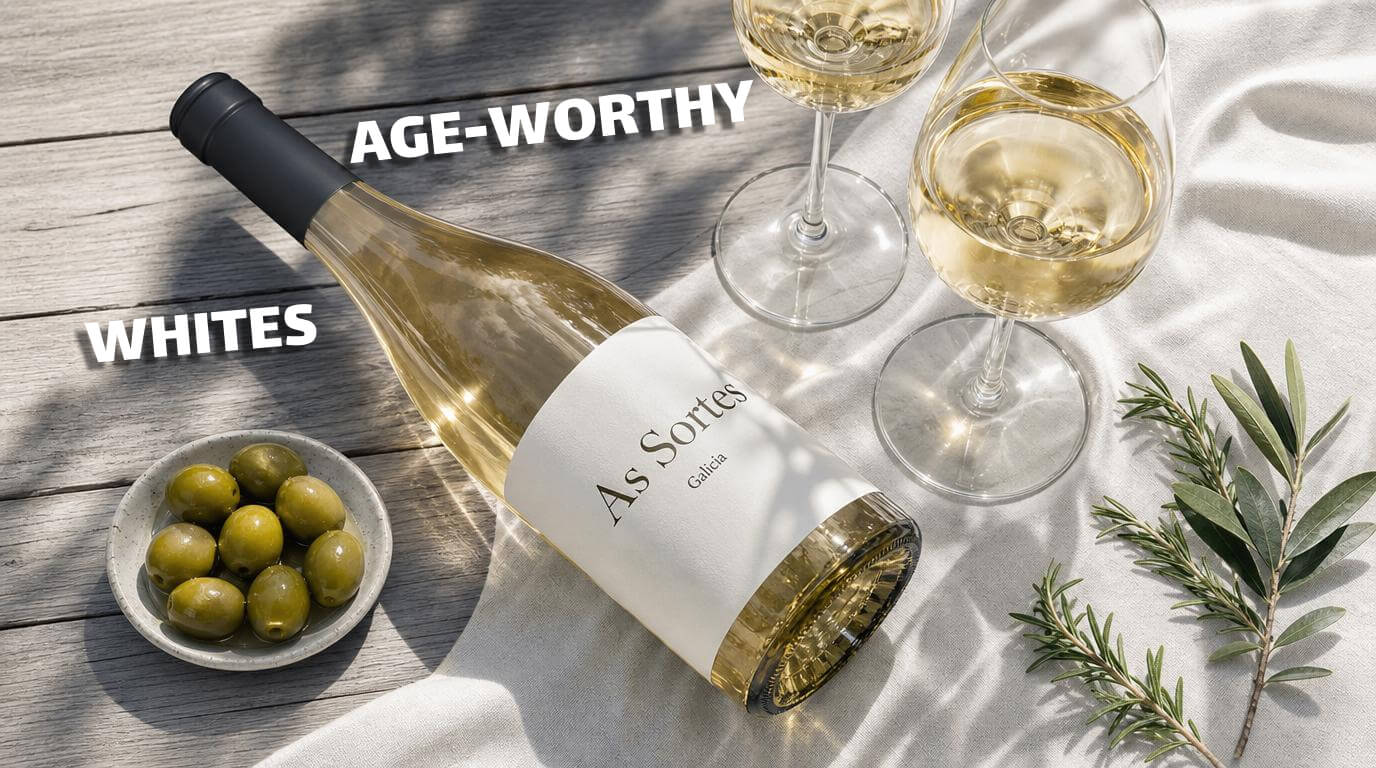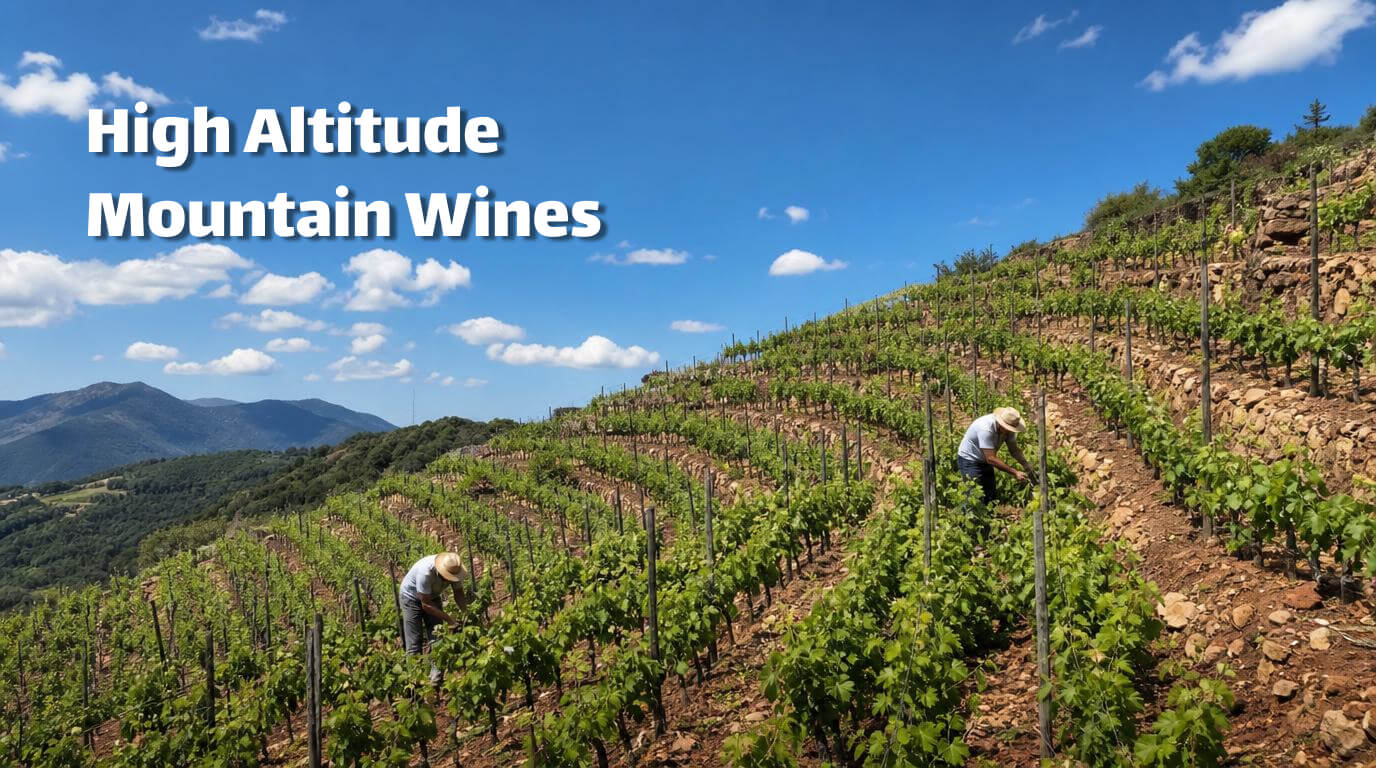
For decades Spanish wine has been synonymous with powerful oak-aged reds from Rioja and Ribera del Duero. Today that balance is shifting towards a lighter, fresher expression as a new generation of talented winemakers explore the potential of Spain’s indigenous whites and revive ancient vineyards. From the steep granite slopes of the Galician coast to the rugged hills of Priorat, Spanish white wines are among the most compelling bottles in the world right now.
So, what's powering Spain's white wine boom? Let’s look at the key trends, top regions and leading producers driving this renaissance.
Galicia leads the revolution
Hidden away in Spain’s misty north-west corner, Galicia has become a powerhouse of refined Spanish white wines. The stormy Atlantic coast with cool maritime climate, ample rainfall, and granite and schist soils provided the perfect ingredients for fresh, terroir-driven whites.
The story begins back in the 1980s after the 1988 creation of the Rías Baixas DO appellation which helped shift Albariño’s status from a simple seafood accompaniment to the premier Spanish white wine. Key producers like Rodrigo Méndez of Forjas del Salnés championed old-vine Albariño and tiny historic vineyards, proving that Galicia’s finest Albariño could rival top white wines from anywhere. Crafted from 80-year old vines, fermented in neutral barrels, and then aged in oak for 12 months, their Leirana Genoveva is a great introduction to this new generation of world-class Albariño.
The second wave came in the 2000s when Rafael Palacios and his peers put Valdeorras on the map for sensational Godello. This little-known local variety had almost disappeared here just north of the Portuguese border by the 1970s. Steep terrain and rough conditions make viticulture a challenge here, but Rafael’s dedication with wines like his lees-aged Louro helped rescue Godello from extinction and create a new standard for Spanish white wines.
Unlike many Spanish regions and their Southern European neighbours, Galicia is well-placed to resist climate change. Cooler conditions and a long growing season here on the Atlantic coast allow producers to lock in freshness while achieving real depth of flavour.
A return to unique indigenous varieties
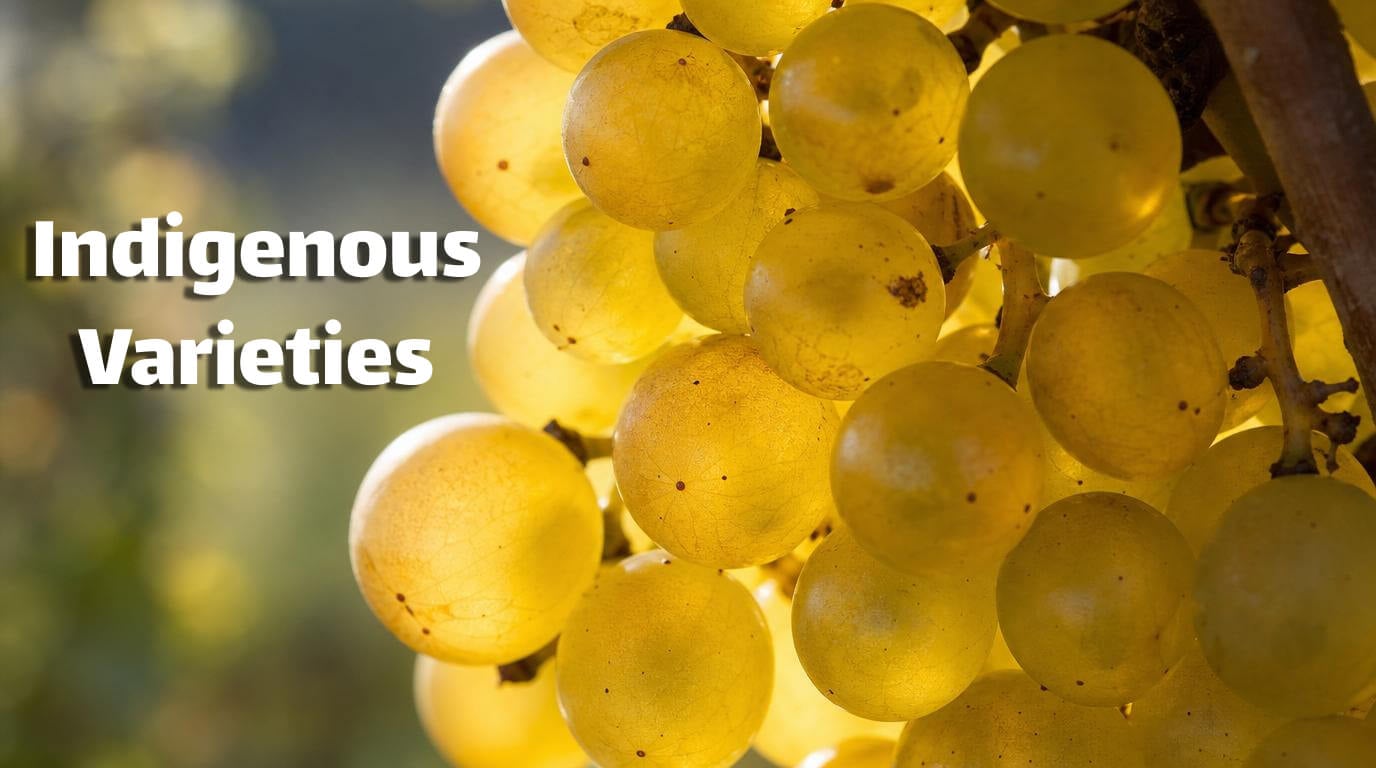
Spain’s white wine boom has been spearheaded by indigenous varieties that thrive in its diverse and often challenging climates. Godello and Albariño led the charge, and now that trend continues with lesser-known whites like Listan Blanco from the Canary Islands.
Also known as Palomino Fino, this obscure grape is now the flagship white wine of the islands thanks to producers like Envinate on Tenerife. This collective of four winemakers crafts innovative wines like their Benje Blanco from 70-110 year old Listan Blanco vines at the top of the volcanic mountain Pico de Teide.